When considering kitchen design, many homeowners ask, "What is the difference between frameless and framed cabinets?" Tim O'Brien, a renowned cabinetry expert, emphasizes, "Understanding cabinet construction is key to choosing the right style for your space." Frameless cabinets offer a modern look with more accessible storage. They have cleaner lines, making them ideal for contemporary kitchens.
In contrast, framed cabinets provide a traditional aesthetic. They feature a sturdy frame, which adds durability and support. However, they can limit space inside the cabinet, making organization challenging. Both styles have unique characteristics, impacting functionality and visual appeal.
Ultimately, the choice hinges on personal preferences and the kitchen's overall design. It's important to research and weigh the pros and cons to avoid regret later. Even seasoned designers acknowledge that selecting the right cabinet style can be complicated. Each option presents distinct advantages, so careful consideration is crucial.
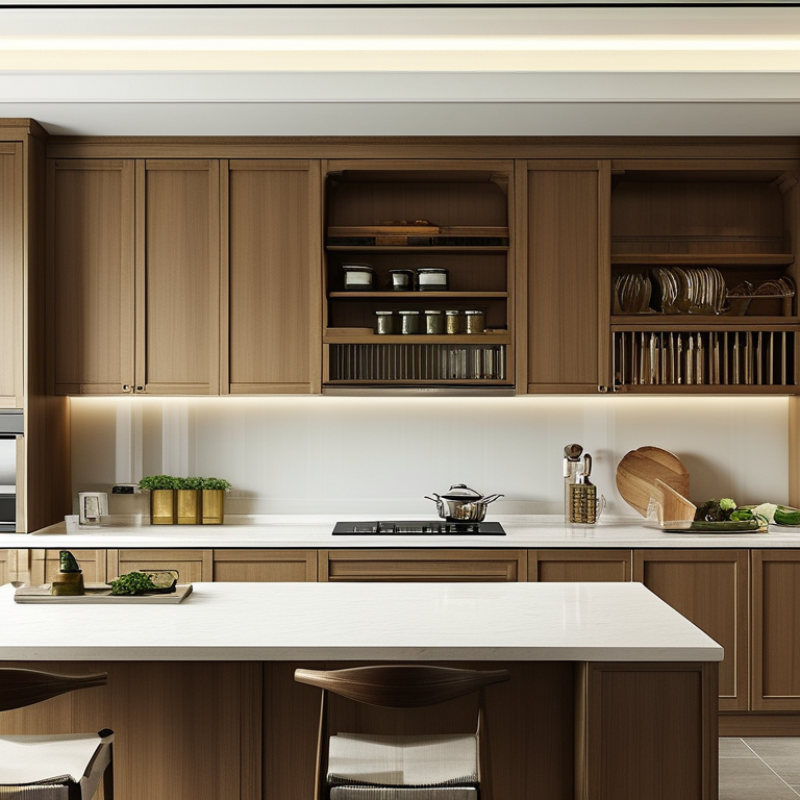
Frameless cabinets offer a sleek and modern design that caters to contemporary tastes. These cabinets lack a face frame, creating a seamless and streamlined look. Because of this construction, they provide greater accessibility. You can store larger items without obstacles. Their simple design allows for more creative finishes and customization.
These cabinets are ideal for open-concept spaces. The lack of frames creates a cohesive look between the cabinets and countertops. However, consider the potential downsides. Frameless cabinets may lack the robust structure of framed versions. They can be less durable and more susceptible to warping over time. The design may also limit heavy-duty application in high-use areas.
Choosing frameless cabinets requires careful thought. It is essential to weigh their aesthetic benefits against their practicality. Think about your storage needs and how they align with your design goals. In a kitchen or bathroom, the right choice impacts functionality. Balancing style and durability is key for a successful cabinetry decision.
Framed cabinets have distinct characteristics that set them apart in kitchen and home design. They typically feature a visible frame around the cabinet doors, providing enhanced structural integrity. This design allows for a sturdy construction that can support heavier loads. According to the Kitchen Cabinet Manufacturers Association, framed cabinets comprise approximately 80% of the cabinet market in North America due to their durability and classic aesthetic.
The construction process involves a solid frame built from quality materials, often hardwoods. This frame serves as the backbone, allowing for various styles of doors and finishes. However, achieving a seamless fit can sometimes lead to inconsistencies in door alignment. Proper installation is crucial to avoid gaps and misalignments that can compromise the overall look.
Additionally, framed cabinets often provide easier access to hinges, making repairs and adjustments simpler. Nonetheless, the design can limit some customization aspects, leading to less flexibility in layout. Homeowners should consider these factors. The balance between functionality and aesthetics is essential. Each choice impacts the final look and usability of kitchen spaces.
| Feature | Frameless Cabinets | Framed Cabinets |
|---|---|---|
| Construction Method | Full-overlay construction | Face frame construction |
| Aesthetic Appeal | Sleek and modern look | Traditional and classic look |
| Storage Space | More usable storage space | Less usable storage space due to frames |
| Ease of Installation | Generally easier and faster to install | Requires careful alignment and adjustment |
| Durability | Sturdy and robust | Strong but frames can be more susceptible to damage |
| Cost | Usually less expensive | Often more costly due to materials |
| Cabinet Door Options | More options for door styles | Limited door style options |
| Customization | High level of customization available | Less flexibility in designs |
| Maintenance | Easier to clean due to lack of frames | Frames can collect dirt and dust |
| Environment Impact | Generally made from sustainable materials | Conventional materials can be used |
Frameless cabinets have gained popularity for their sleek design. They provide a modern look that enhances open spaces. Their minimalist style appeals to homeowners who appreciate contemporary aesthetics. These cabinets offer a seamless appearance, which can make a kitchen feel larger. However, they may sacrifice some structural support compared to framed versions.
On the other hand, framed cabinets bring a classic touch to interior design. The frames add dimension and depth, giving a rich visual contrast. Traditionalists often prefer framed cabinets for their strong, sturdy construction. However, they can appear bulkier and take up more space. Designing a kitchen requires thoughtful choices about style and function.
Tips for choosing between the two: consider your overall kitchen theme. If you lean toward modernity, frameless might be the way to go. For a cozy, traditional vibe, framed could serve better. Always measure your kitchen area; it impacts storage capacity and style. Remember, it’s essential to balance aesthetics with practicality. Sometimes, the design that looks best may not fully support your storage needs.
Storage efficiency is a critical factor when choosing between frameless and framed cabinets. Frameless cabinets often feature a more open interior space. This design allows wider shelves, increasing storage for larger items. With no front frame, users can adjust the shelves easily. They provide a sleek look that can make small kitchens feel more spacious. However, some might find the lack of a frame less sturdy.
On the other hand, framed cabinets offer a different kind of efficiency. The frame supports the structure, which can hold heavier drawers. This can be beneficial for those storing bulky kitchen tools. Framed designs often have more options for organizing smaller items through adjustable dividers. Yet, the frame can limit the maximum width, leading to potential underutilization of space. Each style has strengths and weaknesses, making the choice unique to each kitchen's layout and user needs.
When choosing between frameless and framed cabinets, budget plays a crucial role.
Frameless cabinets often present a cost-effective option, as they use fewer materials and require less craftsmanship. Their design can be simpler, which cuts down on labor costs. This might appeal to those who want to save on initial spending. However, upfront savings don’t always translate to long-term value.
Framed cabinets tend to be more expensive due to the additional wood used for the frame and more intricate assembly. They offer a traditional look and often come with a higher resale value. If you plan to move, framed cabinets can be more desirable to potential buyers. On the other hand, if your primary focus is functionality, frameless cabinets may be adequate but could lack the elegance of framed options.
Ultimately, consider how long you’ll stay in your home. If you’re renovating for personal enjoyment, choose what you love. But if you're focused on investment, weigh your choices carefully. Your budget should align with your long-term goals. Balancing cost with quality can be challenging, yet it's vital for making a wise decision.
: Frameless cabinets lack a face frame, creating a sleek and modern design. They offer a seamless look, enhancing any space.
They provide wider shelves and easier adjustments, making it possible to store larger items without obstacles.
They might be less durable than framed cabinets and can warp over time due to their construction materials.
Consider aesthetics, functionality, and how much storage you need. Think about the space's use and your design goals.
Framed cabinets support heavier items better due to their construction. Their frames allow for more organizational options but may limit space.
They often require fewer materials and labor, making them cheaper initially. However, long-term value can vary, so consider your needs.
Framed cabinets usually have a higher resale value due to their traditional appeal and sturdiness.
Reflect on your lifestyle and preferences. Choose cabinets that suit your daily needs while also matching your aesthetic vision.
Focus on what you love in design. Your comfort and satisfaction should guide your choices.
They can feel less sturdy, and their design may not suit heavy-duty applications in high-use areas.
When considering kitchen design, one common question arises: what is the difference between frameless and framed cabinets? Frameless cabinets offer a sleek, modern look with a more accessible interior space, making them popular for contemporary designs. They lack a face frame, allowing doors to open wide and providing a seamless appearance. On the other hand, framed cabinets feature a sturdier structure with a face frame that offers durability and traditional aesthetics.
In terms of storage efficiency, frameless cabinets often maximize space but may have less support for heavier items compared to their framed counterparts. Cost is another important factor; while frameless cabinets can sometimes be more expensive due to their construction, framed cabinets often provide a budget-friendly option. Ultimately, choosing between these two styles depends on personal preference, design goals, and practical considerations.
