When it comes to choosing materials for cabinet boxes, a common debate arises: Why is plywood preferred over MDF for cabinet boxes? Plywood offers unique advantages that make it a top choice among professionals and DIY enthusiasts alike. Unlike MDF, which is made from wood fibers and adhesives, plywood consists of multiple layers of thin wood veneers. This construction enhances its strength, durability, and resistance to warping.
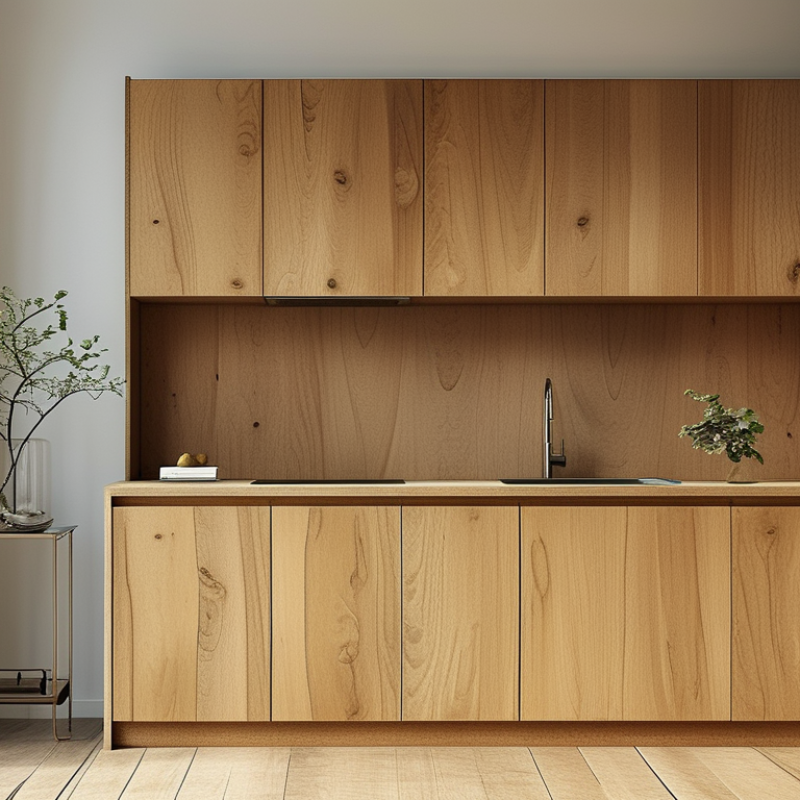
Moreover, plywood’s light weight makes it easier to handle and install in various settings. It also has a more natural wood appearance, appealing to those looking for a classic aesthetic in their cabinetry. While MDF is often celebrated for its smooth finish, plywood can be sanded and stained to highlight its rich textures. This versatility can lead to satisfaction in design choices.
However, the decision isn't without its considerations. Plywood can be more expensive than MDF, which may cause hesitation. The sourcing of quality plywood is vital; not all plywood is created equal. Understanding these factors is crucial for making an informed choice that balances cost, aesthetics, and durability.
Benefits of Plywood Over MDF in Cabinet Construction
When considering cabinet construction, plywood offers distinct advantages over MDF (Medium Density Fiberboard). Plywood is crafted from thin sheets of wood veneer, giving it superior strength and durability. According to the Wood Products Council, plywood has a much higher screw retention capacity compared to MDF. This means cabinets made from plywood can withstand more stress and last longer under daily use. Additionally, plywood is less prone to warping and is more moisture-resistant, making it a more reliable choice for humid environments.
Plywood’s natural aesthetics also set it apart. Many homeowners appreciate the unique grain patterns found in plywood, which adds character to cabinets. In contrast, MDF often requires additional finishing to achieve a polished look. Notably, a report from the Forest Stewardship Council highlighted that environments with high moisture levels can diminish MDF's structural integrity, leading to potential cabinet failure over time.
Tips: When choosing materials for your cabinets, consider these insights. Look for plywood with a higher number of layers for better strength. Evaluate the type of wood used in the core, as this can impact durability. Finally, always check the moisture resistance ratings, especially for kitchens and bathrooms.
Durability and Strength: Comparing Plywood and MDF
When considering materials for cabinet boxes, durability and strength play critical roles. Plywood is often favored for its superior resilience. Unlike MDF, which is softer and may dent easily, plywood can sustain heavy loads without losing its shape. This feature makes it ideal for cabinets that endure daily use.
Moreover, plywood's layered construction lends it strength against warping and bending. In humid conditions, MDF can swell and weaken, compromising the integrity of your cabinets. Plywood, on the other hand, performs better under varied environmental conditions. The flexibility in design also allows for intricate details, adding an aesthetic appeal that many homeowners value.
However, while plywood excels in durability, it can be more expensive than MDF. This cost-benefit analysis requires careful thought. A budget-friendly option may seem appealing, but over time, the resilience of plywood may prove worthwhile. Reflecting on your priorities—long-term use versus initial expense—can guide you in making the best choice for your project.
Moisture Resistance: Performance of Plywood vs. MDF
When it comes to cabinet boxes, moisture resistance is critical. Plywood generally performs better than MDF in humid environments.
Plywood is made from thin layers of wood glued together, enhancing its durability. This layered structure allows it to expand and contract with humidity changes,
reducing the risk of warping.
MDF, on the other hand, is more susceptible to moisture damage. When exposed to high humidity, it can swell and lose shape.
While MDF can be treated to resist moisture, these solutions might not match plywood’s natural resilience. You may find that even treated MDF doesn't hold up well in a kitchen or bathroom.
Choosing the right material involves weighing pros and cons. Plywood is robust, but it can be pricier. MDF offers a smooth finish and is cheaper, yet it might not last as long in challenging conditions.
This decision challenges many homeowners. Understanding each material’s performance in real-life applications can guide you toward the best choice for your cabinets.
Cost-Effectiveness of Plywood for Cabinet Production
When considering cabinet production, plywood often stands out for its cost-effectiveness. Industry reports indicate that plywood typically costs 15-20% less than MDF for similar applications. This can be particularly appealing for large-scale projects where budget constraints are a primary concern. Plywood's durability also plays a significant role in its long-term cost-effectiveness.
Additionally, plywood demonstrates superior resistance to moisture and warping. A study from the Wood Products Council notes that plywood maintains structural integrity better than MDF in humid conditions. This resilience can potentially reduce costs associated with repairs and replacements.
Despite these advantages, choosing plywood isn't without challenges. Some manufacturers report issues with consistency in thickness and surface quality. For instance, while many plywood variants perform admirably, lower-grade options can exhibit defects. It's vital to assess the quality of plywood used to ensure it meets specific project needs. Balancing cost, quality, and intended application is crucial in making an informed choice for cabinet production.
Environmental Considerations: Plywood vs. MDF Sustainability
When evaluating materials for cabinet boxes, sustainability is key. Plywood and MDF differ significantly in their environmental impact. Plywood is made from natural wood layers, bonded together in a way that maximizes strength. This process typically uses fewer chemicals and reduces volatile organic compounds (VOCs) that can harm indoor air quality.
On the other hand, MDF consists of wood fibers and adhesives that may release harmful emissions. While MDF can provide a smooth finish, it often requires more chemical additives, impacting its overall sustainability. Choosing plywood means opting for a material that biodegrades more effectively than MDF. However, sourcing is important. Plywood should ideally come from sustainably managed forests to ensure responsible harvesting practices.
While plywood boasts numerous advantages environmentally, it is not without flaws. Some grades may still contain formaldehyde, a common concern in many engineered woods. Ensuring proper ventilation during installation and usage can mitigate this risk, yet awareness is crucial. Ultimately, assessing both materials leads to informed choices for healthier living spaces.
Plywood vs MDF: Environmental Considerations
FAQS
: Plywood provides superior strength and durability compared to MDF.
Plywood has a much higher screw retention capacity, allowing cabinets to endure more stress.
Yes, plywood is more moisture-resistant, making it ideal for humid environments.
Plywood has unique grain patterns, adding character to cabinets, unlike MDF, which often needs extra finishing.
Look for a higher number of layers and evaluate the core wood type for durability.
MDF can swell and weaken in humid conditions, leading to potential cabinet failure over time.
Plywood can be more expensive initially, but its long-term durability may justify the cost.
Plywood typically uses fewer chemicals and reduces VOC emissions, making it more sustainable.
Some plywood grades may still contain formaldehyde, so proper ventilation is necessary.
Consider long-term use versus initial costs and the material's impact on indoor air quality.
Conclusion
Plywood is often preferred over MDF for cabinet boxes due to its superior durability and strength. Unlike MDF, which is more susceptible to damage and warping, plywood offers enhanced structural integrity, making it ideal for heavy-duty applications in cabinet construction. Additionally, plywood displays better moisture resistance compared to MDF, reducing the risk of swelling or degradation in humid environments.
Cost-effectiveness also plays a significant role; while plywood may have a higher initial cost, its longevity and performance can lead to savings over time. Moreover, from an environmental perspective, plywood is typically considered more sustainable, as it can be sourced from renewable forests. Therefore, understanding "why is plywood preferred over MDF for cabinet boxes" involves acknowledging its strength, moisture resistance, cost-effectiveness, and environmental benefits, making it a more viable choice for quality cabinetry.

 Arpacılar Home