How to Waterproof a Wooden Bathroom Vanity Effectively?

Time:2026-08-20 Author:Henry
0%

Waterproofing a wooden bathroom vanity is essential for durability and aesthetic longevity. Water exposure can cause wood to warp, crack, or develop mold. Thus, knowing how to waterproof a wooden bathroom vanity effectively is crucial for any homeowner.

The process begins with selecting the right materials. You will need high-quality sealants or finishes designed for moisture-rich environments. Proper preparation is key. Sanding the wood surface ensures good adhesion. Applying multiple coats can enhance protection, but it may require patience.

Many homeowners overlook the importance of regular maintenance. Even with waterproofing, check for wear and tear over time. Resealing may become necessary. This ongoing attention ensures your vanity remains in pristine condition. Waterproofing isn't just a one-time task; it’s an ongoing commitment to preserving your investment.
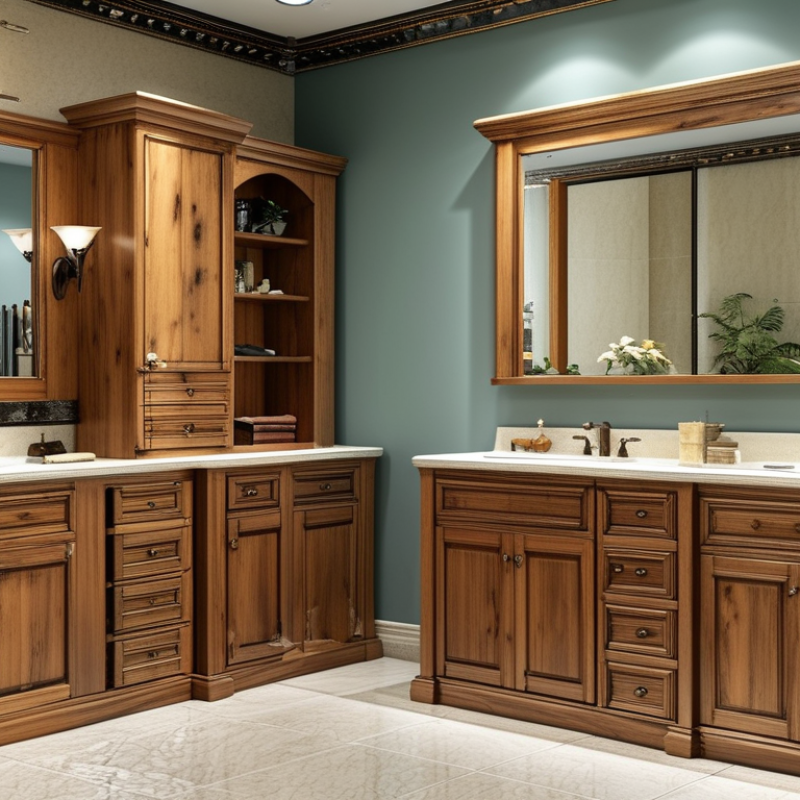
How to Waterproof a Wooden Bathroom Vanity Effectively?

Choosing the Right Materials for Waterproofing a Wooden Vanity

Choosing the right materials for waterproofing a wooden vanity is crucial. Wood is inherently susceptible to moisture damage and can warp or rot. A report from the National Wood Flooring Association indicates that untreated wood can absorb up to 75% of moisture. To combat this, selecting an effective waterproofing material is key.

A common choice is marine-grade sealants. These sealants are designed for high-moisture environments and are resistant to water, mold, and mildew. They offer robust protection while allowing the wood to breathe. Another option is a polyurethane finish. This type of finish not only provides a strong barrier against water but also enhances the natural beauty of the wood. However, it requires careful application to avoid bubbles and uneven surfaces.

It’s important to remember that no waterproofing method is foolproof. Regular maintenance is necessary to ensure longevity. Over time, even the best sealants can wear down. A study published by the Journal of Architectural Engineering underlines this, stating that up to 30% of waterproofing can degrade within five years without proper upkeep. Therefore, consistent inspections and touch-ups are vital to maintaining the integrity of your wooden vanity.

Preparing the Wooden Surface for Effective Waterproofing

Preparing a wooden surface for waterproofing is crucial for a durable bathroom vanity. Start by cleaning the wood thoroughly. Use a gentle cleanser to remove dirt and oils. Next, sand the surface lightly with fine-grit sandpaper. This step gives the wood a better grip for the waterproofing agent. Ensure to wipe away the dust afterward.

Checking for imperfections is vital. Any cracks or holes can lead to future problems. Fill these gaps with wood filler or a similar product. Smooth the surface once it dries. It’s essential to double-check the evenness. Uneven patches can cause the waterproofing to peel later. Apply a primer designed for wood, which enhances adhesion and ensures a uniform finish. This phase requires attention. Test on a small area first, as results can vary.

Waterproofing Methods Effectiveness for Wooden Bathroom Vanity

Applying a Waterproof Finish: Step-by-Step Guide

When waterproofing a wooden bathroom vanity, start by gathering essential tools. You will need sandpaper, a clean cloth, and a waterproof finish like polyurethane or marine varnish. Choose a well-ventilated area for this task. Preparation is crucial to the success of the finish.

Begin by sanding the surface of the vanity. This step helps the finish adhere better. Use fine-grit sandpaper to smooth out any rough spots. Be careful not to oversand, as this can damage the wood’s surface. After sanding, wipe down the vanity with a clean cloth to remove dust.

Next, apply the waterproof finish using a brush or a clean rag. Work in the direction of the wood grain. It’s essential to apply thin, even coats. Allow the first coat to dry completely. Assess the finish; if it appears uneven, a second coat may be necessary. Remember that achieving a perfect finish can be challenging. There may be drips or bubbles. Don't be discouraged; these can often be sanded out lightly before the final coat. Keep this in mind as you strive for an effective waterproofing solution.

Sealing Joints and Edges to Prevent Water Damage

Sealing joints and edges is crucial for protecting a wooden bathroom vanity from water damage. Wood, though beautiful, is sensitive to moisture. For effective sealing, start by thoroughly cleaning the joints and edges. Remove dust and any debris. A clean surface ensures better adhesion for sealants.

Using a high-quality waterproof sealant is essential. Apply it generously along the seams. Make sure to get into any grooves or small cracks. Don’t rush this process; allowing the sealant to cure properly is vital. Over time, the stress from daily use can compromise seals. Regularly check for any signs of wear or damage.

Consider using caulk for areas that frequently come into contact with water. It’s flexible and can adapt to movements of the wood. Don’t forget to address the underside of the vanity. This often-overlooked area can absorb moisture from the floor. Periodically inspect these areas to ensure longevity and avoid water-related issues. Each step counts in maintaining the integrity of your vanity.

Maintaining Your Waterproofed Vanity for Longevity

Maintaining a waterproofed wooden bathroom vanity is essential for its longevity. Regular checks for any signs of water damage can prevent costly repairs. Inspect the surfaces for peeling or cracking finishes. If you notice any, it’s crucial to address them promptly. A small issue can escalate if ignored.

Cleaning is another vital aspect. Use a damp cloth, but avoid soaking the wood. Excess moisture can lead to mold growth. After cleaning, ensure the surface dries completely.

Additionally, apply a protective sealant every few years for added defense. This creates a barrier against moisture. Remember, long-term upkeep requires effort. A proactive approach will ensure your vanity remains both beautiful and functional for years to come.

FAQS

: What materials are effective for waterproofing a wooden vanity?

: Marine-grade sealants and polyurethane finishes are commonly used. They offer strong moisture protection.

Why is wood preparation important before waterproofing?

Proper preparation, like cleaning and sanding, enhances adhesion. It helps the waterproofing agent perform better.

How should I clean the wooden surface before applying a sealant?

Use a gentle cleanser to remove dirt and oils. A clean surface supports better bonding.

What should I do if the wood has cracks or holes?

Fill gaps with wood filler. Smooth the area once it dries for an even surface.

How can I ensure the sealant cures properly?

Apply sealant generously along seams. Allow it to cure fully without rushing.

How should I seal joints and edges?

Clean these areas thoroughly first. Apply high-quality waterproof sealant into grooves and cracks.

Is regular maintenance necessary for waterproofed wood?

Yes, waterproofing can degrade over time. Regular checks and touch-ups are vital for longevity.

How can moisture damage my wooden vanity?

Moisture can cause warping or rotting. Even small gaps can lead to significant problems later.

What type of primer should I use for waterproofing?

Use a primer designed for wood. It improves adhesion and ensures a uniform finish.

Are there specific areas on the vanity I should check regularly?

Yes, don’t overlook the underside. It may absorb moisture from the floor. Regular inspections are crucial.

Conclusion

When considering how to waterproof a wooden bathroom vanity effectively, it's essential to start by choosing the right materials tailored for waterproofing. Begin by preparing the wooden surface thoroughly to ensure proper adherence of the waterproofing agents. A step-by-step guide for applying a waterproof finish helps in achieving the best results, ensuring that the wood is protected from moisture damage.

Additionally, sealing joints and edges is crucial as these areas are often susceptible to water infiltration. Once the waterproofing process is complete, maintaining your waterproofed vanity becomes vital for longevity. Regular checks and appropriate upkeep will help preserve the integrity of the wood, ensuring that your bathroom vanity remains both functional and aesthetically pleasing over time.

Henry

Henry

Henry is a dedicated marketing professional with a profound expertise in the company's offerings. With years of experience in the industry, he possesses an impressive understanding of the market dynamics and consumer behaviors that drive success. Henry is committed to sharing his insights through......